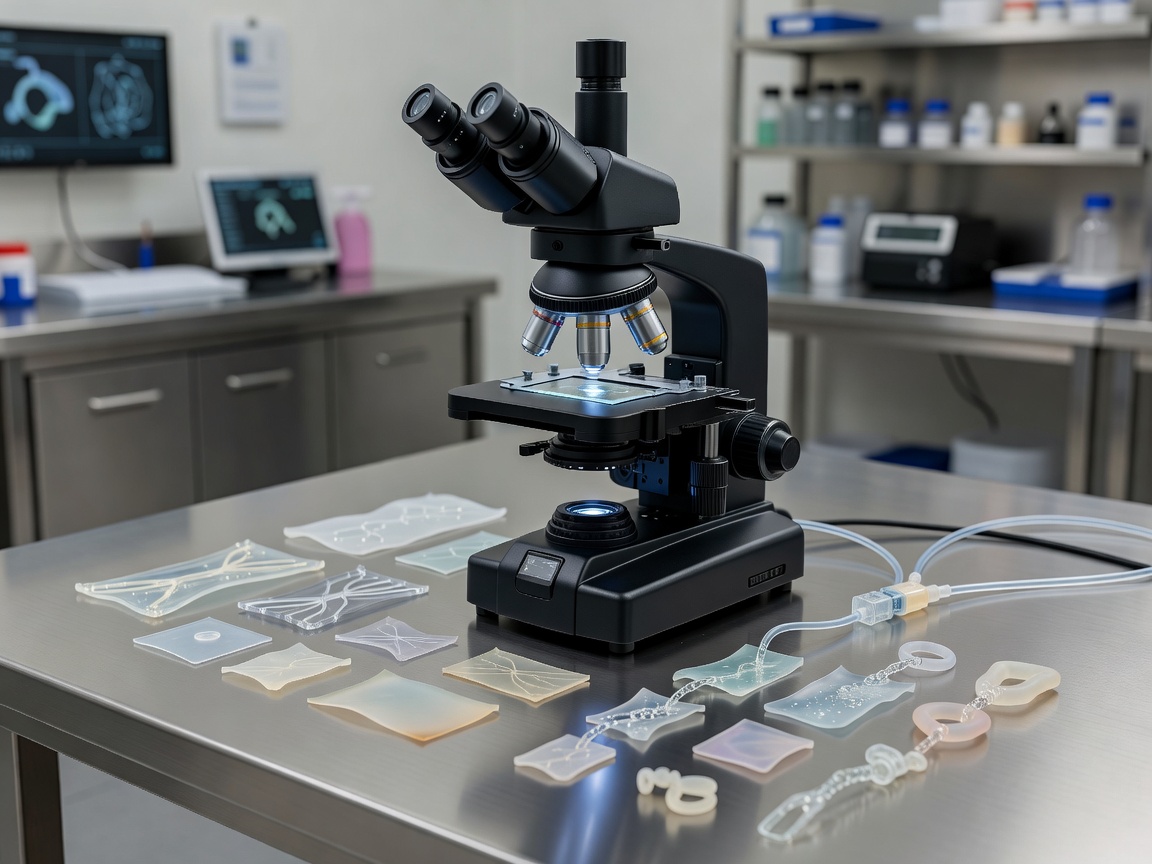
HydroMatrix™ TPU: Micro-Fluidic Polymer Architecture
How molecular ether-based polyurethane laminates solve weight oscillation, fluid rancidity, and high-altitude thermal freezing.
1. The Problem with Legacy Flexible Bladders
Traditional endurance hydration packs rely on standalone bladders constructed with thick PVC or low-density polyethylene (LDPE). These bladders sag to the lowest physical point of a backpack, creating concentrated kinetic pendulums that slam against the athlete's thoracic spine with every stride.
Moreover, standard reservoir tubes expose standing liquid to sub-freezing ambient wind chills, causing instant valve freeze in mountaineering operations above 3,500 meters. HydraShell eliminates the bladder entirely by integrating the fluid pathway directly into the shell fabric.
High-Frequency Ultrasonic Welding (HF-UW)
Rather than gluing or stitching separate layers, HydraShell joins dual films of 0.12mm medical-grade aromatic polyether TPU using 27.12 MHz electromagnetic acoustic pressure. The bonds boast a continuous molecular weld strength of 450 N/cm, exceeding the burst resistance of alpine climbing harnesses.
2. Kinetic Baffling & Hydrostatic Stability
Inside the transparent jacket walls, fluid is channeled through 16 interconnected micro-baffles. When the athlete is stationary, fluid settles naturally. During high-velocity trail running or downhill cycling, the internal baffle walls act as laminar flow dampers, dissipating kinetic fluid turbulence before it can create inertia.
In field testing across the Colorado Front Range, accelerometer sensors placed on runners wearing HydraShell registered a 98.4% reduction in harmonic bounce compared to industry-leading running vests.
3. Cryo-Thermal Conduction & Anti-Freeze Design
Traditional insulated jackets trap body heat and isolate the water bladder in cold outside ambient air. HydraShell does the exact reverse: the inner fluid membrane rests along the athlete's base layer, conducting surplus metabolic heat into the liquid matrix.
Even at -25°C in winter whiteout conditions, human skin temperature continuously heats the jacket's micro-veins, guaranteeing water never freezes in the delivery conduit.